

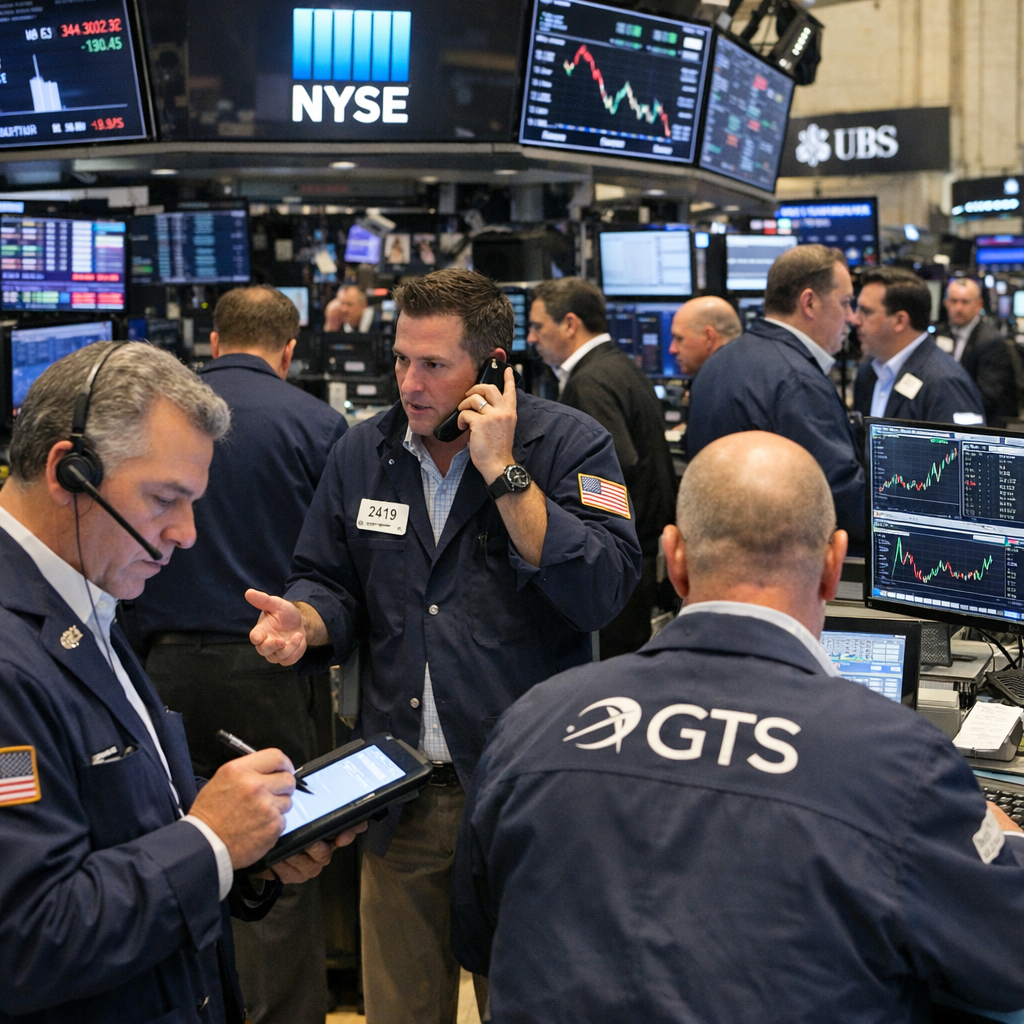
The United States economy has experienced notable fluctuations in recent times, influenced by various factors including trade policies, inflation rates, and global events. Understanding these dynamics is crucial for both policymakers and the general public.
GDP Growth and Economic Performance
In the first quarter of 2025, the U.S. economy contracted by 0.5%, a decline attributed to businesses accelerating imports ahead of anticipated tariffs. However, the subsequent quarters saw a rebound, with the economy growing at an annualized rate of 3.8% in the second quarter and 4.3% in the third quarter, marking the fastest growth in two years.
Inflation and Consumer Prices
Inflation has been a pressing concern, with rates reaching 3.8% in April 2026, the highest in three years. This surge has been driven by increased energy costs, particularly following military conflicts that disrupted global oil supplies. Consequently, average gas prices have exceeded $4.50 per gallon nationally, with some states experiencing prices above $5.
Trade Policies and Tariffs
The administration’s trade policies have significantly impacted the economy. In early 2026, the Supreme Court struck down broad tariffs imposed by the administration, introducing uncertainty for businesses and consumers. These tariffs had previously led to increased costs for imported goods, affecting various sectors of the economy.
Public Sentiment and Economic Outlook
Public confidence in the economy has been mixed. A recent poll indicated that 70% of Americans feel “angry” or “frustrated” about the administration’s handling of the economy, with only 11% expressing enthusiasm. Additionally, 77% of respondents reported that their incomes are not keeping pace with rising prices, highlighting concerns about the cost of living.
As the nation approaches the midterm elections, economic issues remain at the forefront of public discourse. Voters are closely monitoring how policies will address inflation, trade relations, and overall economic stability in the coming months.